The Transformative Power of Outdoor Games in Modern Society
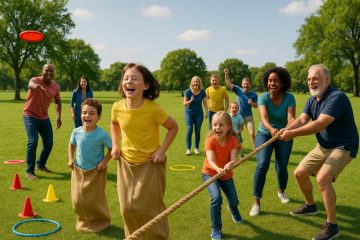
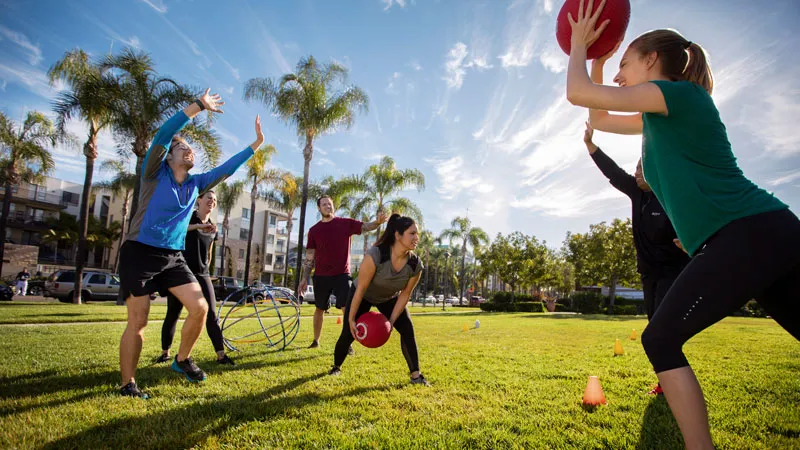
In an era defined by screens and sedentary habits, outdoor games stand as one of the most vital yet underappreciated forms of recreation. They represent more than physical exercise; they are a holistic experience that nurtures the mind, body, and spirit. Outdoor play strengthens communities, builds character, and fosters creativity in ways digital entertainment cannot replicate. Whether played casually in a neighborhood park or competitively on an athletic field, outdoor games contribute profoundly to human development and social well-being.
The Historical and Cultural Significance of Outdoor Games
A Tradition Rooted in Human Nature
Outdoor games have existed for as long as humans have gathered. Ancient civilizations used physical play not only as entertainment but also as preparation for survival, teaching coordination, endurance, and strategy. Early societies in Greece, China, and Egypt introduced games like discus throwing, archery, and hunting simulations that reflected both cultural identity and daily life. These physical contests evolved into organized sports, shaping traditions that continue today.
In many cultures, outdoor games also carry deep symbolic value. They celebrate harvests, strengthen social bonds, and honor ancestral customs. For example, indigenous communities often view games as expressions of unity and spiritual connection, blending physical effort with storytelling and ritual.
Evolution into Modern Recreation
With industrialization and urban expansion, outdoor games transitioned from ritualistic practice to organized sport and community recreation. Schools began integrating physical play into education, recognizing its impact on discipline, teamwork, and health. Over time, organized outdoor games such as soccer, baseball, basketball, and cricket became global phenomena, transcending national and cultural boundaries. Despite modernization, the essence of outdoor play—connection, movement, and joy—remains unchanged.
The Physical Benefits of Outdoor Games
Building Strength, Stamina, and Coordination
Playing outdoor games engages multiple muscle groups simultaneously, promoting full-body fitness. Activities such as football, tennis, and cycling enhance muscle tone, agility, and balance. The repetitive motion of running, throwing, and jumping strengthens the cardiovascular system and improves endurance. These games also refine motor coordination and spatial awareness, essential for both athletic and everyday performance.
Encouraging a Healthy Lifestyle
Outdoor play helps combat modern health issues like obesity, hypertension, and diabetes. Exposure to sunlight boosts vitamin D production, which supports bone health and immune function. Regular outdoor activity increases metabolic rate and helps maintain a balanced weight, reducing long-term health risks. The open-air environment also fosters better breathing and oxygen circulation, improving overall energy levels.
Enhancing Sleep and Recovery
Physical exertion in natural environments supports better sleep cycles. Outdoor play regulates circadian rhythms and encourages deep rest. Unlike indoor exercise, natural light exposure aids hormonal balance, helping the body recover more effectively from stress or fatigue.
The Psychological and Emotional Value of Outdoor Games
Reducing Stress and Anxiety
Outdoor games act as a natural stress reliever. Physical movement stimulates endorphin release, improving mood and reducing symptoms of anxiety and depression. The combination of fresh air, social interaction, and physical activity creates a powerful antidote to mental fatigue. Engaging in outdoor sports also builds resilience, teaching players to manage pressure and stay focused even in challenging situations.
Enhancing Cognitive Function
Outdoor games often involve strategy, quick decision-making, and anticipation. Players constantly assess surroundings, predict opponents’ moves, and adjust tactics. This mental agility sharpens cognitive processing and improves problem-solving abilities. Games like frisbee, basketball, and capture the flag enhance reaction time, coordination, and spatial reasoning—skills that translate into academic and professional success.
Promoting Emotional Intelligence
Participation in outdoor games teaches self-regulation, patience, and empathy. Players learn how to handle loss gracefully, celebrate victory humbly, and respect both teammates and opponents. The emotional lessons gained through competition and collaboration contribute to stronger interpersonal relationships and social maturity.
Outdoor Games as a Social Experience
Building Teamwork and Communication Skills
Outdoor games provide an environment where teamwork is essential. Effective communication, trust, and cooperation determine success. Players must listen, adapt, and support one another to achieve shared goals. These experiences cultivate leadership and collaboration—skills vital in both personal and professional life.
Fostering Community Connection
Outdoor games bridge social divides, bringing together people from different backgrounds, cultures, and ages. Community sports leagues, neighborhood tournaments, and park activities promote inclusion and collective identity. Shared play spaces encourage socialization, friendship, and a sense of belonging that strengthens local communities.
Encouraging Fair Play and Ethics
Outdoor sports embody fairness, discipline, and respect for rules. They instill values that extend beyond the field—honesty, integrity, and accountability. Learning to play fair, follow guidelines, and accept decisions teaches essential life principles applicable to education, work, and relationships.
The Educational Importance of Outdoor Games
Physical Education and Development
In educational systems, outdoor play is not just recreational; it is integral to holistic development. Schools that incorporate outdoor games into their curriculum foster better focus, higher academic performance, and improved behavior among students. Physical education teaches responsibility, leadership, and time management while ensuring children maintain an active lifestyle.
Encouraging Experiential Learning
Outdoor games facilitate hands-on learning experiences. Children grasp concepts of physics, geometry, and strategy through motion and interaction. Games that involve measurement, balance, or timing help internalize abstract academic concepts through physical application. This experiential learning strengthens memory retention and critical thinking.
Supporting Emotional and Social Growth
Outdoor play teaches young people to navigate real-world challenges—handling loss, negotiating teamwork, and making ethical choices. These experiences foster confidence and independence. The physical space of play also encourages self-expression and creativity, helping students explore their identity in safe, supportive environments.
The Environmental and Health Connection
Reconnecting with Nature
Outdoor games reconnect individuals with the natural world, fostering ecological awareness. Playing in parks, fields, or open spaces nurtures an appreciation for the environment. Children who regularly play outside develop stronger environmental stewardship, understanding the importance of protecting green spaces and wildlife.
Combatting the Digital Disconnect
In today’s digital society, excessive screen time contributes to attention fatigue and physical inactivity. Outdoor play serves as a counterbalance, promoting mindfulness and real-world engagement. Games that involve physical movement outdoors help restore focus, creativity, and curiosity, reducing the cognitive strain of constant digital exposure.
Encouraging Sustainable Habits
Outdoor recreation teaches respect for shared spaces. Community sports initiatives often incorporate sustainability principles, such as maintaining parks, minimizing waste, and promoting eco-friendly practices. This connection between play and conservation fosters responsible citizenship and environmental ethics.
Modern Adaptations of Outdoor Games
Blending Technology and Physical Play
While technology has transformed how we interact, it has also redefined outdoor gaming. Augmented reality and fitness-tracking devices are merging digital experiences with real-world activity. Games that incorporate physical movement with interactive technology encourage participants to explore outdoor environments while engaging with modern innovation.
Urban Outdoor Recreation
Cities are increasingly adapting to the demand for outdoor play. Rooftop parks, walking trails, and urban playgrounds create accessible spaces for recreation. Organized community sports programs and public wellness initiatives encourage participation regardless of age or socioeconomic status.
Reviving Traditional Games
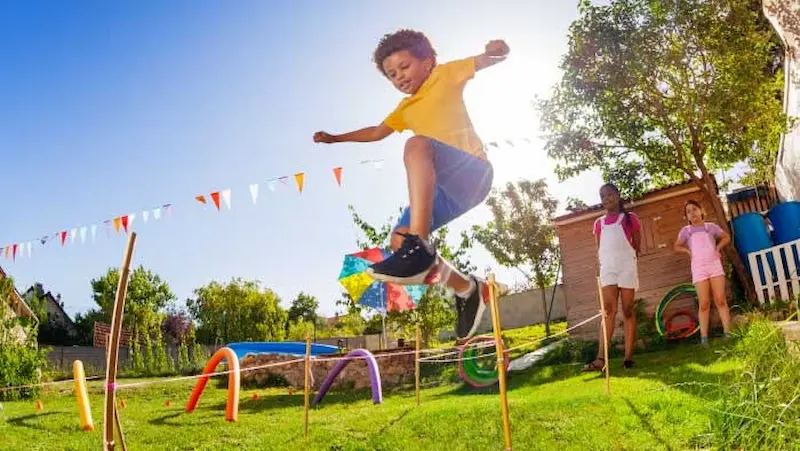
There is a growing movement to revive traditional outdoor games such as tag, hopscotch, and capture the flag. These simple yet timeless activities promote inclusivity, requiring minimal resources while offering immense social and physical benefits. By blending traditional and modern approaches, outdoor games remain relevant across generations.
The Role of Outdoor Games in Personal Development
Discipline and Perseverance
Regular participation in outdoor games instills discipline. Training schedules, team responsibilities, and goal-setting teach consistency and perseverance. Overcoming challenges on the field reinforces the mindset required for success in other areas of life.
Leadership and Responsibility
Outdoor sports provide a platform for leadership development. Captaining a team, managing strategies, and motivating others cultivate initiative and accountability. Players learn that leadership is not about authority but service—supporting others to achieve shared success.
Self-Confidence and Empowerment
Victory in outdoor games boosts confidence, but even loss can be empowering. Every challenge faced outdoors—whether climbing a hill, completing a race, or playing through fatigue—reinforces self-belief and inner strength. These moments translate into greater confidence in academic, professional, and personal pursuits.
Frequently Asked Questions (FAQ)
Q1: How do outdoor games benefit mental health?
Outdoor games reduce anxiety, depression, and stress by promoting endorphin release and improving sleep. The exposure to natural light and social interaction enhances mood and builds emotional resilience.
Q2: What outdoor games are suitable for adults?
Adults can engage in sports such as tennis, basketball, cycling, hiking, or frisbee. These activities offer cardiovascular benefits, stress relief, and opportunities for social interaction.
Q3: How do outdoor games impact children’s learning?
Outdoor games support experiential learning, improve concentration, and enhance problem-solving skills. They help children translate academic concepts into physical understanding, improving overall cognitive performance.
Q4: Can outdoor games promote inclusivity?
Yes. Outdoor games transcend cultural and physical differences, creating environments where everyone can participate. Adaptive sports also make outdoor recreation accessible for individuals with disabilities.
Q5: How can communities encourage outdoor play?
Communities can organize local tournaments, maintain clean parks, and establish safe recreational spaces. Promoting awareness of outdoor play benefits also motivates residents to participate more actively.
Outdoor games are more than entertainment—they are a cornerstone of human connection, growth, and vitality. They embody balance in a technology-driven world, reminding us of the importance of movement, teamwork, and time spent in nature. The legacy of outdoor play continues to evolve, reaffirming its place as one of the most powerful tools for fostering physical health, mental wellness, and social unity.