The Psychology and Power of Puzzles: Unlocking the Human Mind through Problem Solving
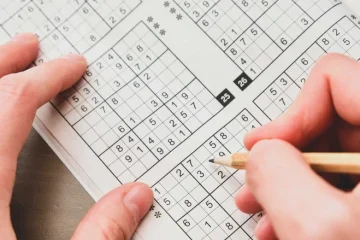
The word puzzle evokes curiosity, challenge, and satisfaction all at once. Whether in the form of a jigsaw, crossword, Sudoku, or digital brain teaser, puzzles engage our minds in ways that few activities can. They are more than just entertainment; they are cognitive exercises that shape our mental agility, creativity, and emotional resilience. Across cultures and generations, puzzles have served as both pastimes and tools for intellectual growth, revealing much about how the human brain learns, adapts, and thrives under challenge.
The Origins and Evolution of Puzzles
From Ancient Challenges to Modern Games
Puzzles have existed for thousands of years. Ancient civilizations used riddles, codes, and mechanical contraptions as intellectual amusements or tests of wisdom. The earliest known puzzle, a dissection problem carved into wood in Greece around 2300 BCE, is a precursor to modern jigsaw puzzles. Similarly, ancient Egyptians and Chinese cultures created labyrinths and pattern-based puzzles that combined art, geometry, and mystery.
During the 18th and 19th centuries, puzzles became popular educational tools. Wooden jigsaw maps helped children learn geography, while mathematical puzzles appeared in newspapers as challenges for the educated elite. The 20th century expanded puzzles into mainstream culture, with the invention of crossword puzzles, Rubik’s Cube, and logic-based games like Sudoku. In the digital era, puzzles have evolved into interactive apps and virtual escape rooms, yet their essence remains unchanged: to test the boundaries of human intellect and perseverance.
The Universal Appeal of Problem Solving
Puzzles appeal to people of all ages because they activate the brain’s reward system. Each time we solve a challenging problem, the brain releases dopamine—a neurotransmitter linked to pleasure and motivation. This biological response explains why puzzles are addictive and deeply satisfying. The joy of finding a missing piece or deciphering a code comes not just from success but from the process of discovery and persistence itself.
The Cognitive Science Behind Puzzle Solving
How the Brain Engages with Puzzles
When solving a puzzle, multiple cognitive systems operate simultaneously. The prefrontal cortex handles planning and strategy, the hippocampus manages memory and pattern recognition, and the parietal lobe processes spatial reasoning. This cross-brain engagement strengthens neural connections, enhancing mental flexibility and long-term cognitive function.
Puzzles stimulate both hemispheres of the brain. The left hemisphere, associated with logic and analysis, deciphers structure and patterns, while the right hemisphere, linked to creativity and intuition, interprets visual and abstract cues. Together, they create a holistic mental exercise that balances structure with imagination.
Enhancing Memory and Focus
Regular puzzle-solving improves short-term memory, particularly in tasks involving recall and recognition. Jigsaw puzzles, for instance, train visual-spatial reasoning by requiring players to remember the shapes, colors, and locations of individual pieces. Crosswords and word puzzles enhance linguistic memory, expanding vocabulary and comprehension skills.
Focus and attention also improve through sustained engagement. Unlike passive entertainment, puzzles demand concentration. The act of tuning out distractions to solve a problem strengthens attentional control—an essential skill in today’s overstimulated digital environment.
The Role of Pattern Recognition
At the heart of every puzzle is pattern recognition—the ability to identify relationships and connections. Humans are naturally inclined toward patterns because recognizing order in chaos is key to survival. Whether aligning edges in a jigsaw or identifying number sequences in Sudoku, pattern recognition builds logical reasoning and strategic thinking. Over time, this ability extends beyond puzzles, enhancing problem-solving skills in everyday life and professional contexts.
The Psychological Impact of Puzzles
Building Patience and Resilience
Puzzles require persistence. Frustration is inevitable, but the satisfaction of eventual success teaches patience and resilience. Psychologists often refer to puzzles as “safe frustration,” where failure is part of the learning process rather than a defeat. By working through challenges, individuals develop a growth mindset—understanding that effort and persistence lead to mastery.
Reducing Stress and Anxiety
Engaging in puzzles can have meditative effects. Concentrating on solving a problem shifts focus away from stressors, inducing a state of mindfulness similar to that achieved through meditation. The rhythmic and repetitive nature of tasks, such as sorting puzzle pieces or filling grids, creates a sense of calm and control. For many, puzzles provide a mental escape, offering both stimulation and relaxation in balance.
Strengthening Emotional Intelligence
Collaborative puzzle-solving, such as group escape games or team-based challenges, nurtures emotional intelligence. These activities encourage communication, empathy, and patience. Working together to reach a common goal fosters trust and collective problem-solving—a microcosm of teamwork in broader life contexts.
Educational and Developmental Benefits
Enhancing Childhood Development
For children, puzzles are powerful developmental tools. They foster fine motor skills, hand-eye coordination, and spatial reasoning. More importantly, they teach problem-solving in a low-pressure environment. A child who learns to persist through trial and error develops confidence and analytical ability.
Educational puzzles also promote academic readiness. Alphabet and number puzzles lay foundational literacy and numeracy skills. Logic puzzles introduce children to mathematical reasoning, while story-based puzzles improve comprehension and narrative thinking. Teachers often integrate puzzles into classrooms to make learning interactive and enjoyable, transforming abstract concepts into tangible challenges.
Cognitive Maintenance for Adults and Seniors
For adults, puzzles keep the brain active and agile. They act as mental workouts that prevent cognitive decline and memory loss. Studies suggest that engaging in challenging puzzles can delay the onset of Alzheimer’s and other forms of dementia by preserving neural elasticity.
Seniors who engage in regular puzzle-solving experience improved mental sharpness, emotional stability, and social interaction. Group puzzle activities, such as community game sessions, not only enhance brain health but also combat isolation and loneliness.
Puzzles in the Modern Digital Age
The Rise of Digital Puzzles
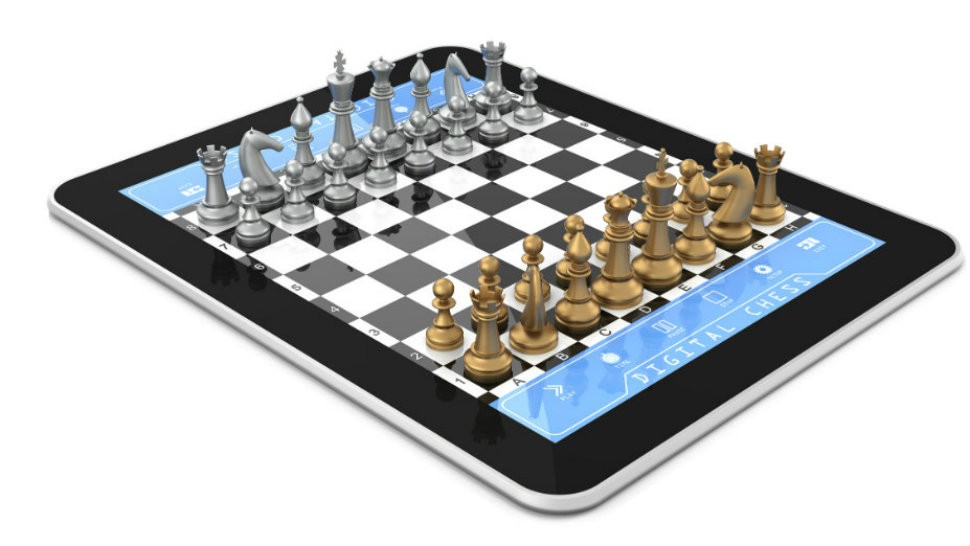
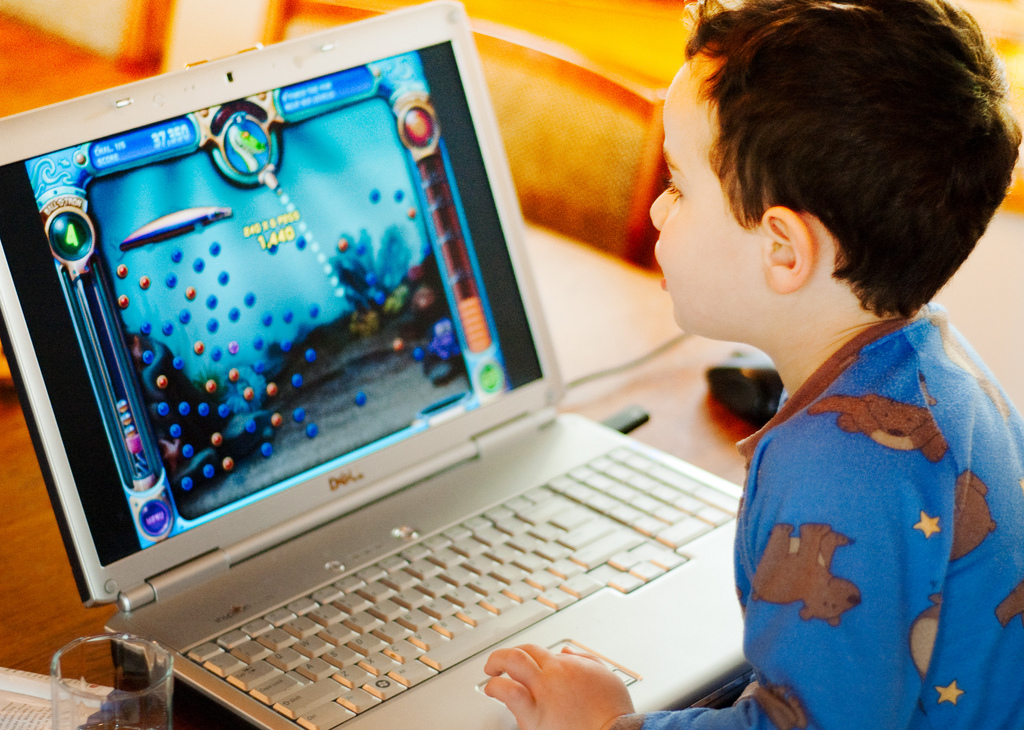
Technology has transformed how people engage with puzzles. Digital platforms have introduced endless variations, from word games and number grids to interactive 3D logic challenges. Online platforms also facilitate global competition, allowing individuals to challenge others and measure their skills worldwide.
The convenience of mobile puzzles has made them accessible to a larger audience. However, despite their digital format, the psychological and cognitive benefits remain consistent. Whether physical or digital, puzzles stimulate focus, logic, and creativity in equal measure.
Balancing Screen Time and Mindfulness
While digital puzzles are beneficial, moderation is essential. Excessive screen exposure can negate the mindfulness benefits of puzzle-solving. A balanced approach—alternating between digital and physical puzzles—maintains the meditative aspect of play while leveraging the accessibility of technology.
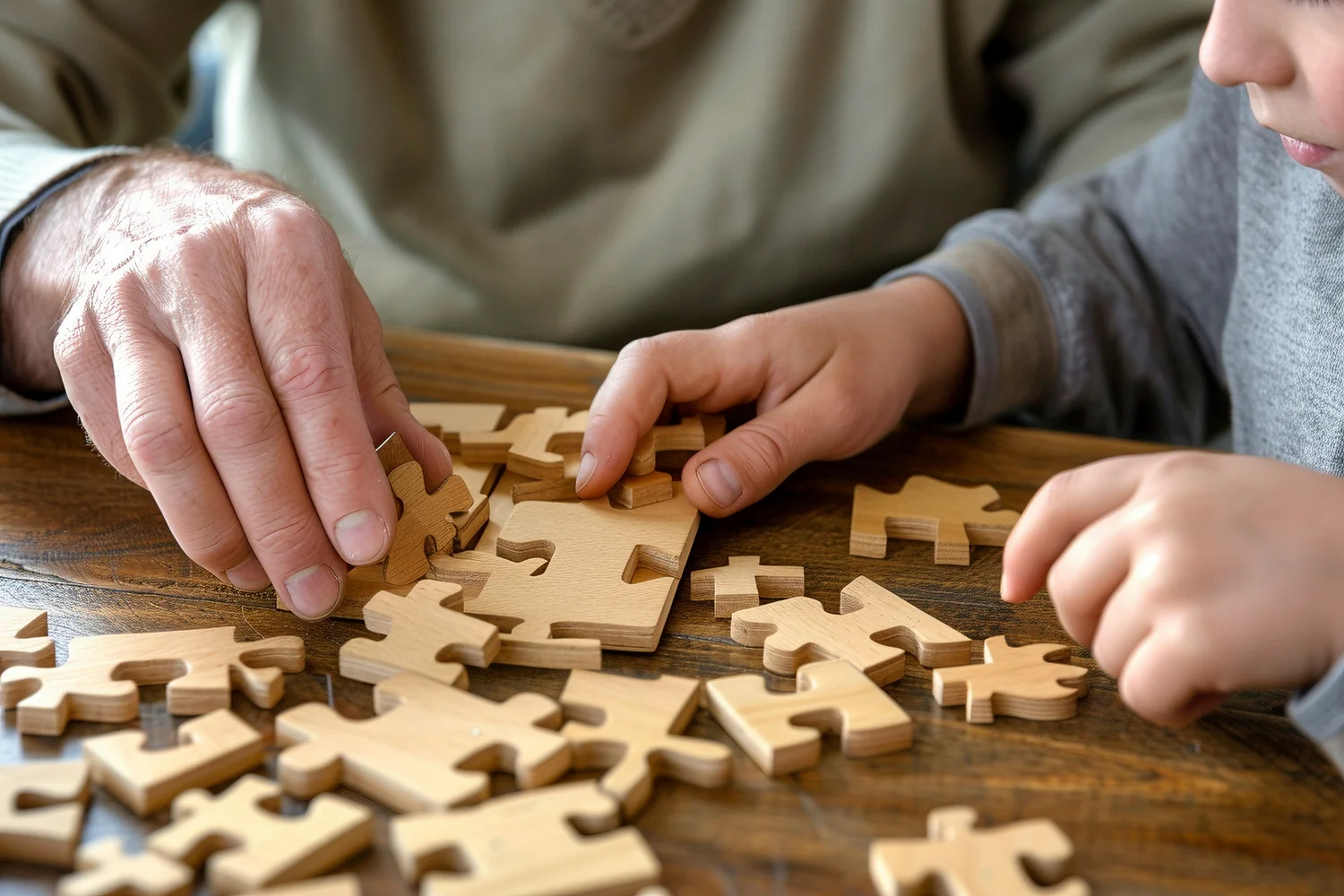
Physical puzzles also engage tactile senses, offering a deeper sensory experience. The act of holding pieces, turning shapes, and manually fitting components together creates a unique connection between mind and body, reinforcing learning through movement.
Real-Life Applications of Puzzle Thinking
Problem Solving in Professional Fields
The cognitive strategies honed through puzzles—critical thinking, pattern recognition, and creative problem-solving—have practical applications across industries. Engineers use puzzle logic to design systems, scientists apply deductive reasoning to research, and business leaders rely on strategic thinking to solve organizational challenges.
Employers often use puzzles in recruitment assessments to evaluate analytical ability, patience, and innovation. Puzzle-based interviews reveal how candidates approach complex problems, make decisions under pressure, and collaborate with others.
Innovation and Creativity
Puzzles inspire creative thinking by challenging individuals to view problems from multiple perspectives. A puzzle rarely has an obvious solution; it demands experimentation and the willingness to make mistakes. This mindset mirrors the creative process in art, design, and entrepreneurship. By encouraging flexible thought, puzzles nurture innovation and out-of-the-box thinking.
Mental Health and Rehabilitation
Therapists often incorporate puzzles into treatment for cognitive rehabilitation. Patients recovering from brain injuries, strokes, or memory loss benefit from structured puzzle exercises that rebuild mental function. The gradual increase in difficulty supports recovery without overwhelming the patient, providing a sense of accomplishment at every stage.
The Social Side of Puzzles
Group Collaboration and Family Bonding
Puzzles bring people together. Family puzzle nights, escape rooms, and collaborative brain games create shared experiences that strengthen relationships. These activities encourage communication, cooperation, and mutual understanding. In an increasingly digital world, physical puzzles offer meaningful ways for families and friends to reconnect offline.
Community and Cultural Events
Puzzle competitions, trivia nights, and logic tournaments are growing in popularity. They foster community engagement, celebrate intellectual curiosity, and promote healthy competition. Events like these highlight how puzzle-solving is both a personal challenge and a collective celebration of human ingenuity.
Frequently Asked Questions (FAQ)
Q1: How often should I solve puzzles to see cognitive benefits?
Engaging in puzzles a few times a week is enough to enhance cognitive health. Consistency matters more than duration; even 15-30 minutes daily can improve memory and focus.
Q2: Are puzzles beneficial for children with learning difficulties?
Yes. Puzzles improve concentration, hand-eye coordination, and problem-solving in children with learning challenges. They provide structured yet playful learning that enhances both cognitive and emotional growth.
Q3: What type of puzzle is best for mental fitness?
A mix of puzzle types works best. Crosswords strengthen verbal skills, Sudoku enhances logic, jigsaws improve visual reasoning, and riddles foster creative thinking. Variety ensures balanced brain stimulation.
Q4: Can puzzle-solving prevent memory loss in older adults?
Regular engagement in puzzles supports cognitive maintenance and delays symptoms of memory-related conditions. They stimulate neural activity and encourage lifelong learning, both of which protect brain health.
Q5: Why do puzzles make us feel so satisfied after completion?
Solving puzzles triggers dopamine release in the brain, creating a sense of accomplishment and joy. This reward mechanism reinforces persistence, motivating individuals to take on new challenges.
Puzzles are more than intellectual hobbies—they are windows into the mind’s extraordinary capacity for learning, resilience, and creativity. Whether played alone or shared with others, each puzzle solved is a reminder that curiosity, persistence, and discovery lie at the heart of human progress.