The Lasting Importance of Outdoor Games in the Modern World

The tradition of playing outdoor games has shaped human culture for centuries, offering a balance between physical exercise, mental stimulation, and social connection. In an age dominated by digital entertainment, rediscovering the value of outdoor play is more relevant than ever. Outdoor games are not only a source of enjoyment but also a critical component of physical health, emotional resilience, teamwork, and community bonding. As lifestyles become increasingly sedentary, these timeless activities serve as an antidote to the challenges of modern living, fostering both physical vitality and personal development.
The Evolution of Outdoor Games
Historical Roots of Physical Play
Outdoor games date back to ancient civilizations, where they often carried cultural and spiritual significance. Traditional sports like wrestling, archery, and running were integral to festivals and rituals, serving as expressions of strength, honor, and communal identity. Over time, these activities evolved into structured sports governed by rules and international standards. Yet the essence of outdoor play—physical engagement, competition, and collaboration—has remained unchanged.
The Shift from Tradition to Modern Recreation
While historical games were deeply tied to cultural rituals, modern outdoor games have diversified into global recreational activities. Today, outdoor play encompasses organized sports such as soccer, basketball, and cricket, as well as informal games like tag, frisbee, and hide-and-seek. The universal appeal of outdoor gaming lies in its adaptability: it requires minimal equipment, accommodates various skill levels, and fosters inclusivity across ages and backgrounds.
The Physical Benefits of Outdoor Games
Enhancing Cardiovascular Health
One of the most immediate benefits of outdoor games is improved cardiovascular health. Running, jumping, and sustained physical exertion strengthen the heart and lungs, improving oxygen flow and reducing the risk of lifestyle-related diseases. Activities like football, tennis, and cycling promote endurance, while games involving sprints, such as tag or capture the flag, enhance agility and speed.
Building Strength and Coordination
Outdoor games engage multiple muscle groups simultaneously. They demand balance, coordination, and precision—skills that develop naturally through movement. Children who regularly engage in outdoor play build stronger bones and better motor skills, while adults benefit from improved posture, flexibility, and muscle tone. Even unstructured outdoor play, like climbing or throwing, contributes to functional fitness.
Supporting Mental Well-being through Physical Activity
Physical exertion triggers the release of endorphins, the body’s natural mood boosters. Outdoor environments amplify this effect, as exposure to sunlight increases vitamin D levels and helps regulate mood. Studies have shown that even 30 minutes of outdoor play can significantly reduce stress and anxiety, improve sleep quality, and enhance concentration.
Cognitive and Emotional Development through Play
Boosting Cognitive Function
Outdoor games stimulate cognitive processes by encouraging problem-solving, strategy, and quick decision-making. In games like soccer or basketball, players constantly assess their environment, anticipate opponents’ moves, and adjust tactics accordingly. These experiences strengthen neural connections related to focus, memory, and decision-making under pressure.
Fostering Emotional Resilience
Competition, whether won or lost, teaches valuable emotional lessons. Outdoor games expose individuals to success and failure in controlled environments, helping them develop coping mechanisms for real-life challenges. Learning to handle loss gracefully, persevere under pressure, and celebrate teamwork builds emotional intelligence and resilience.
Encouraging Creativity and Imagination
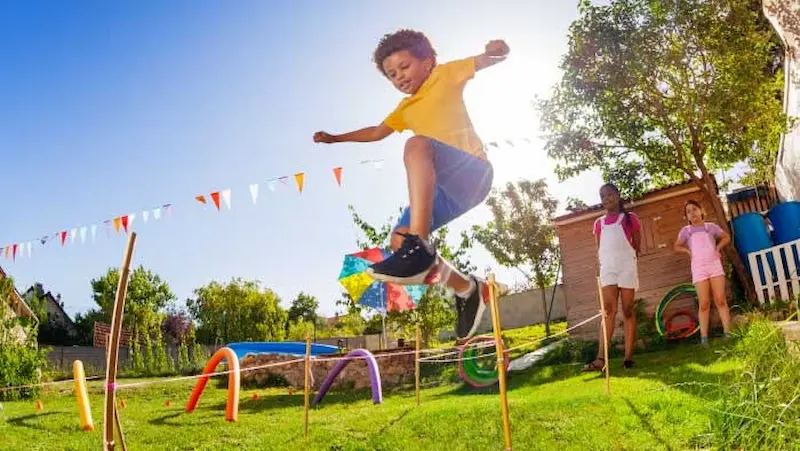
Not all outdoor games follow structured rules. Many involve improvisation, storytelling, or creative problem-solving. Games like scavenger hunts, obstacle courses, or imaginative role-play foster creativity and adaptability. This unstructured play is essential for brain development, especially in children, as it nurtures curiosity and innovation.
Social and Cultural Significance of Outdoor Games
Building Social Bonds
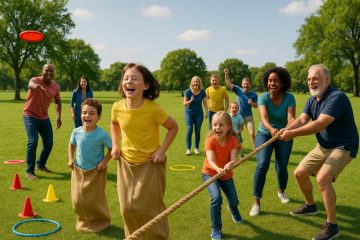
Outdoor games inherently require communication, collaboration, and mutual understanding. They bring people together across social divides, encouraging empathy and teamwork. Playing in groups promotes leadership skills, negotiation, and conflict resolution. For children, these interactions lay the foundation for social competence and cooperation.
Preserving Cultural Heritage
Traditional outdoor games hold immense cultural value. Games such as kabaddi, bocce, or hopscotch connect communities to their history and shared identity. Reviving and adapting these games in modern settings preserves cultural continuity while promoting inclusivity. Schools and community programs that integrate traditional outdoor games create environments where heritage and recreation coexist.
Strengthening Communities
Outdoor play spaces act as gathering hubs for neighborhoods and families. Whether it’s a public park or a school playground, these areas promote community interaction and cohesion. Organized tournaments, community sports days, and local recreation leagues build a sense of belonging, enhancing civic pride and participation.
Outdoor Games as Tools for Education and Growth
Experiential Learning Beyond the Classroom
Outdoor games extend education beyond textbooks. They teach practical life lessons such as teamwork, fairness, and perseverance. Activities like relay races or cooperative challenges encourage participants to work toward common goals, mirroring real-world scenarios that demand coordination and patience.
Leadership and Accountability
Outdoor sports cultivate leadership qualities by providing opportunities for players to take initiative, make decisions, and support teammates. Whether captaining a team or organizing a local tournament, players develop a sense of responsibility and ownership. These experiences prepare individuals for leadership roles in academic, professional, and personal spheres.
Encouraging Environmental Awareness
Playing outdoors fosters an appreciation for nature. Activities conducted in natural settings, like parks or fields, strengthen ecological awareness and respect for the environment. Children who play outside are more likely to develop sustainable habits, such as protecting green spaces and valuing outdoor recreation as part of a healthy lifestyle.
Technology and the Future of Outdoor Play
The Impact of Digitalization
The rise of digital entertainment has significantly reduced time spent outdoors. Video games, streaming services, and social media often replace physical play, contributing to sedentary behavior and health challenges. While technology enhances convenience, it can also isolate individuals from natural and social environments.
However, technology can also support outdoor play. Wearable devices, GPS-based fitness apps, and augmented reality experiences encourage physical activity by integrating digital rewards with real-world movement. The future of outdoor games lies in merging traditional play with modern innovation, creating experiences that combine physical engagement with digital interactivity.
Reviving Outdoor Games in Urban Settings
Urbanization has limited access to open spaces, making it harder for communities to engage in outdoor recreation. Cities worldwide are now reimagining public spaces to encourage play—developing rooftop parks, community sports areas, and walkable green zones. Incorporating outdoor gaming zones into urban planning can restore balance between technology and nature.
Integrating Outdoor Play into Education Systems
Schools play a vital role in preserving outdoor gaming culture. Regular physical education classes, playground-based learning, and after-school sports programs ensure that students remain active and engaged. Incorporating outdoor activities into academic frameworks not only supports physical health but also enhances focus, discipline, and creativity.
The Psychological and Societal Benefits
Enhancing Mental Health
The link between outdoor activity and mental health is well-established. Engaging in outdoor games helps alleviate depression, anxiety, and attention disorders. The combination of sunlight, social interaction, and movement fosters a sense of fulfillment that digital substitutes cannot replicate.
Promoting Inclusivity
Outdoor games bridge generational and cultural gaps. They can be played by people of varying physical abilities and backgrounds. Adaptive sports, for instance, ensure inclusivity for individuals with disabilities, allowing everyone to experience the joy of physical participation.
Reducing Social Isolation
Outdoor play reduces loneliness by encouraging face-to-face interaction in shared environments. It nurtures friendships, fosters belonging, and strengthens community networks—key elements in combating the growing issue of social isolation in the modern world.
Challenges Facing Outdoor Games
Decline in Physical Activity
Sedentary lifestyles and academic pressure have caused a decline in outdoor play, especially among children. Parents and educators must prioritize outdoor activities as essential for holistic development rather than viewing them as distractions from productivity.
Lack of Safe Play Spaces
Urban crowding and infrastructure challenges limit safe areas for recreation. Governments and local authorities must invest in community parks and maintain accessible playgrounds to support outdoor engagement.
Weather and Environmental Constraints
Extreme weather conditions can discourage outdoor activities. Designing adaptable play environments, such as shaded fields and weather-resistant equipment, can ensure year-round accessibility.
Frequently Asked Questions (FAQ)
Q1: Why are outdoor games important for children’s development?
Outdoor games improve physical fitness, enhance motor skills, and develop social and emotional intelligence. They teach teamwork, discipline, and creativity while fostering independence and resilience.
Q2: How can adults benefit from outdoor games?
For adults, outdoor games help manage stress, boost cardiovascular health, and improve work-life balance. They offer opportunities for socialization and maintain long-term physical wellness.
Q3: What role do outdoor games play in education?
Outdoor games complement academic learning by teaching collaboration, leadership, and strategic thinking. They encourage experiential learning, where students apply theoretical knowledge to real-life situations.
Q4: How can communities encourage more outdoor play?
Communities can promote outdoor play through local events, accessible playgrounds, sports clubs, and awareness programs highlighting the benefits of physical activity.
Q5: Are outdoor games still relevant in the digital age?
Yes, outdoor games remain vital for physical and mental health. While technology offers convenience, outdoor play provides real-world interaction, teamwork, and holistic well-being that no digital alternative can replicate.
Outdoor games represent more than recreation; they are a foundation of physical vitality, creativity, and social unity. They nurture both body and mind, connecting individuals to nature, culture, and community. As the world becomes increasingly digital, preserving and promoting outdoor play is essential to maintaining balance in modern life.