How to Organize a Memorable Outdoor Game Day
Gathering friends, family, or coworkers for an afternoon of friendly competition under open skies is one of the most rewarding ways to celebrate pleasant weather. A thoughtfully planned outdoor game day brings people away from digital screens, sparks genuine laughter, breaks down social barriers, and creates lasting memories. Whether you are arranging an informal backyard barbecue, an annual neighborhood tournament, or a corporate team-building retreat, bringing diverse groups together around games requires more than simply tossing a ball onto the grass.
A successful gathering blends organized momentum with relaxed hospitality. When activities drag, rules remain unclear, or basic logistical necessities like shade and water are neglected, guest energy inevitably flags. Transforming an ordinary park hangout into a standout, seamless game day demands proactive planning, versatile game selection, clear communication, and attentive hosting. With the right roadmap, you can run an engaging, high-energy event that leaves every participant asking when the next competition will take place.
Securing and Scouting the Ideal Outdoor Venue
The foundation of any outdoor gathering is the physical space. Choosing a venue requires balancing geographic convenience, open ground conditions, available facilities, and municipal regulations.
Begin by assessing whether your private property, such as a large suburban backyard, can comfortably accommodate your expected headcount. Private yards offer complete scheduling freedom, easy access to indoor restrooms, private refrigeration for refreshments, and zero competition for space. However, if your yard lacks flat terrain or your guest list exceeds twenty individuals, a public park or designated community sports field is often the superior choice.
When evaluating a public park or recreational reservation, conduct a physical site inspection well before sending out invitations:
-
Terrain Quality: Look for expansive, level turf free from ankle-twisting gopher holes, exposed tree roots, broken glass, or irrigation sprinkler heads. A flat surface prevents uneven bounces, unfair roll paths, and accidental sprains.
-
Natural Shade Canopy: High-noon sun drains energy rapidly. Ensure the site features mature shade trees or permits the setup of free-standing pop-up canopy tents where participants can catch their breath out of direct sunlight.
-
Restroom Proximity: Restrooms should be within a short walking radius. If attendees must trek across three soccer complexes to find functioning facilities, guest frustration will build quickly.
-
Permits and Local Rules: Verify whether your local municipal parks department requires a formal pavilion reservation or special event permit. Review local ordinances regarding amplified music, parking access, open fires, and temporary stakes driven into the ground.
Curating a Balanced and Inclusive Activity Roster
The primary secret to keeping energy levels elevated is variety. An effective game roster includes a blend of high-energy athletic competitions, low-impact lawn classics, and collaborative team puzzles. This balance ensures that hyper-competitive guests can exert themselves while less physically active attendees, younger children, or older relatives remain fully involved.
Structure your day by grouping games into specific gameplay categories:
-
Lawn Classics for Casual Mingling: Games like cornhole, bocce ball, ladder toss, and giant tumble-tower blocks are intuitive, self-officiating, and easy to play while holding a cold drink. These function well during arrival hours and social intermissions.
-
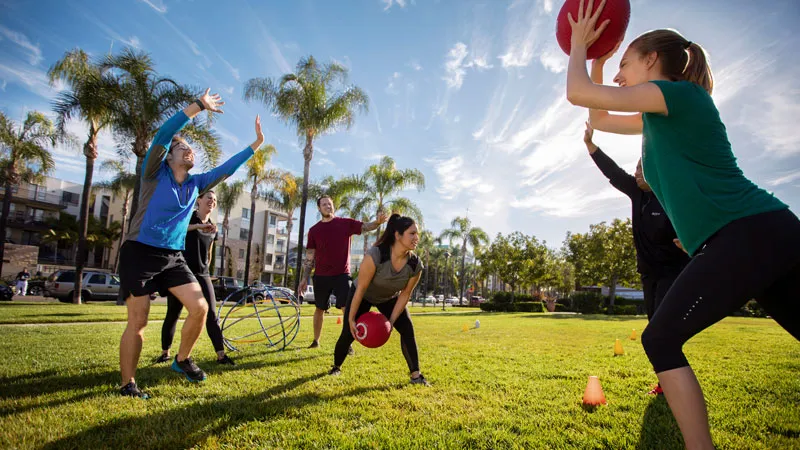
Dynamic Team Sports: Modified kickball, capture the flag, dodgeball with soft foam balls, or ultimate frisbee introduce team cooperation and group cheering. Keep innings or halves brief, around fifteen to twenty minutes, to prevent athletic exhaustion.
-
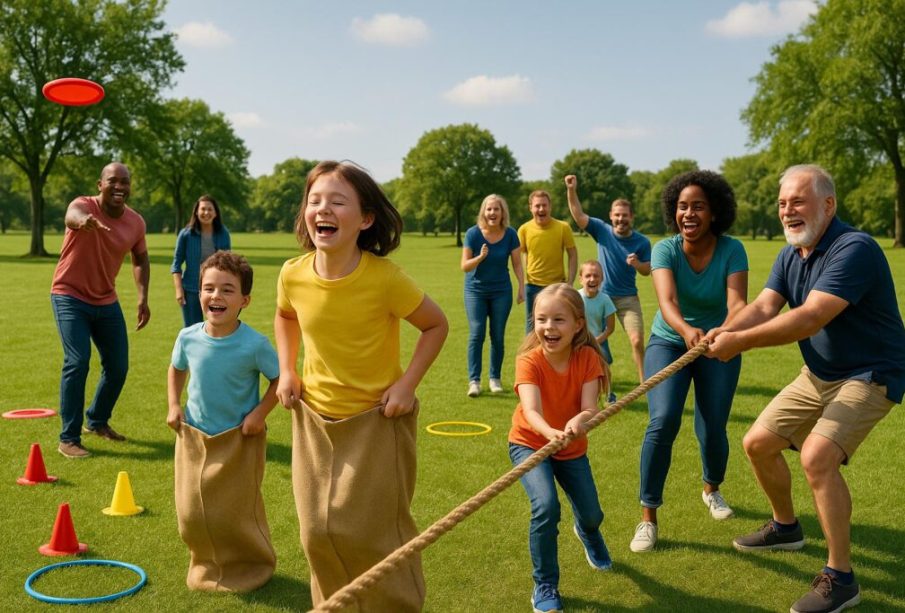
Nostalgic Field Day Relays: Timed three-legged races, spoon-and-egg balances, sack races using burlap bags, and water balloon tosses evoke childhood field days. These events level the playing field, making athletic prowess secondary to balance, communication, and humor.
-
Mind and Strategy Challenges: Outdoor trivia circuits, scavenger hunts using visual photo clues, and group tug-of-war tournaments provide different types of challenges that engage tactical and collaborative skills.
Avoid games that require lengthy rule explanations or complex tracking sheets. If explaining the rules takes longer than three minutes, the game disrupts the organic social flow of the day.
Designing a Clear and Balanced Competition Structure
An aimless afternoon where games happen sporadically can feel disorienting, while a rigid schedule that forces people to compete without breaks can feel like work. Striking the right balance involves using a clear tournament structure paired with flexible scheduling.
Divide your guest list into balanced teams before games begin. Random draws, such as pulling colored wristbands from a hat, prevent schoolyard exclusion dynamics where slower or less vocal participants are picked last. Distribute athletic players, creative thinkers, and younger participants evenly across the rosters to ensure fair matchups.
Give each team a simple identity:
-
Hand out color-coordinated bandanas, wristbands, or matching foam visors to make teammates recognizable from across the field.
-
Encourage each squad to invent a team name and a brief fifteen-second team chant or victory celebration.
-
Establish a central leaderboard using a large dry-erase board or chalk easel mounted near the food area.
Award points not just for victories, but for good sportsmanship, creative team cheers, and dramatic hustle. This point system keeps teams in contention even if they drop the first two physical matches, preserving enthusiasm and friendly banter all afternoon.
Prioritizing Hydration, Nutrition, and Thermal Comfort
Physical exertion in the open air depletes energy reserves faster than indoor socializing. A thoughtful host anticipates the physical needs of guests before fatigue sets in.
Hydration is your primary safety responsibility. Dehydration triggers headaches, muscle cramps, and heat exhaustion. Place multiple water dispensers throughout the venue, stocked with ice water, citrus slices, or electrolyte drink mixes. Avoid relying solely on sugary carbonated sodas or alcoholic beverages, which accelerate fluid loss under the hot sun. Keep a large cooler dedicated exclusively to clean ice and bagged water bottles near the main competition field.
Plan your food strategy around the schedule of the games:
-
Pre-Game Energy Stations: Set out whole fruits like bananas, orange slices, seedless grapes, and individual bags of pretzels or trail mix. These provide easily digestible complex carbohydrates and sodium to stave off muscle fatigue.
-
The Main Meal Intermission: Schedule a full lunch break after the morning preliminary rounds. Opt for simple, crowd-pleasing options like grilled burgers, grilled chicken skewers, hearty pasta salads, and wraps. Keep mayonnaise-based salads and cold dressings chilled inside temperature-controlled coolers with ice packs to prevent food safety issues.
-
Post-Competition Treats: Conclude the awards ceremony with refreshing treats like ice cream bars, frozen fruit popsicles, or chilled watermelon slices to help everyone cool down.
Essential Gear, Safety, and Site Preparedness
Smooth execution relies on assembling the right supplies before the first whistle blows. Arrive at the venue at least one hour before guests to mark boundary lines, set up activity zones, and arrange comfort hubs.
Pack a comprehensive game day management kit:
-
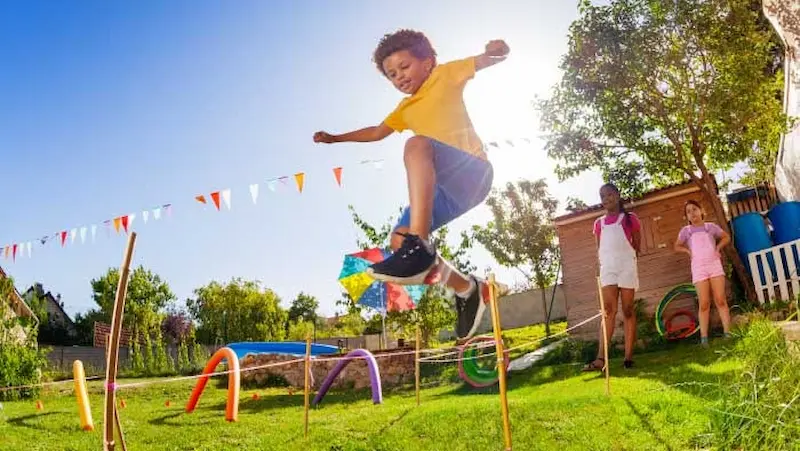
Field Marking Tools: Brightly colored traffic cones, ground marking chalk, surveyor tape, and corner flags establish clear boundary lines, preventing arguments about whether a ball landed in or out of bounds.
-
Game Hardware: Extra inflator pumps, needle valves, spare tennis balls, frisbees, whistles for referees, and multiple stopwatches ensure games never stall due to deflated equipment or missing items.
-
Comfort and Safety Supplies: A dedicated first-aid kit stocked with adhesive bandages, antiseptic wipes, blister pads, sting relief spray, instant cold packs, and athletic tape is mandatory.
-
Sun and Insect Defense: Set out a hospitality basket filled with broad-spectrum sunscreen lotions, insect repellent sprays, and aloe vera gel so guests can protect their skin throughout the day.
-
Waste Management: Bring heavy-duty lawn trash bags and clearly marked recycling containers. Secure them to picnic table legs with bungee cords so winds do not scatter paper plates across the park.
Wrapping Up the Day: Awards and Social Cool Down
A memorable game day should conclude on an intentional high note rather than slowly fading as tired guests drift toward their cars. Announce the final events clearly so everyone gathers to watch the deciding matches.
Host a brief, humorous awards ceremony at the conclusion of the final game:
-
Trophies and Ribbons: Inexpensive novelty trophies, thrifted cups spray-painted gold, or custom ribbons add an entertaining ceremonial touch.
-
Novelty Recognitions: Create awards for non-athletic highlights, such as the best team cheer, the most dramatic dive, the most supportive teammate, or the best sportsmanship.
-
Group Photography: Gather all participants for a complete group photo while energy is still high, capturing the sweaty smiles, team bandanas, and camaraderie before people pack up their gear.
After awards are distributed, shift the atmosphere from competitive energy to relaxed conversation. Lower the volume of your outdoor Bluetooth speakers, open comfortable camp chairs into a wide circle, and let guests unwind, share stories from the day matches, and enjoy remaining refreshments as the sun goes down.
Frequently Asked Questions
What is the ideal total duration for an outdoor game day event?
A total runtime of four to five hours is generally ideal for adult and family gatherings. This window provides thirty minutes for guest arrivals and casual warm-ups, two hours of structured team competitions, an hour-long meal break, and an hour for finals, awards, and casual cool-down. Running an event longer than five hours leads to physical exhaustion, sunburn, and diminished enthusiasm, while events under three hours often feel rushed.
How should a host handle severe weather or sudden rainstorms?
Always develop a secondary weather contingency plan at least forty-eight hours before the event date. Identify an alternative covered shelter at your venue, such as a rented park pavilion with a solid roof, or designate an indoor backup location like a recreation center or spacious home garage. If scattered light rain is expected, pack waterproof tarps, prepare indoor-friendly party games like charades or tabletop trivia, and notify guests via group text about the designated rain plan.
What is the best way to handle wide age gaps between children and adults playing together?
When designing games for mixed generations, implement handicap rules that empower younger children while keeping adults engaged. In kickball, for instance, allow children to kick from closer distances and grant them two kicks before counting an out, or designate children as designated base runners for older relatives. Games that rely on balance, stealth, or luck, such as musical chairs or scavenger hunts, naturally bridge the gap between varying physical capabilities.
How many individual games should be planned for a single afternoon?
Aim to prepare four to five distinct activities for a standard afternoon. Running four well-organized games allows guests to understand the rules and enjoy multiple rounds without feeling hurried. Keep two quick bonus games, such as tug-of-war or a water balloon toss, in reserve in case a planned activity concludes faster than anticipated, but avoid overwhelming attendees with an over-programmed schedule.
What steps can be taken to ensure hyper-competitive guests do not ruin the atmosphere?
Set a lighthearted tone from the opening announcements by reminding attendees that the event is designed for community, connection, and fun. Balance teams carefully so no single squad dominates the leaderboard, and frame competitive disputes with humor by appointing an impartial guest as the referee equipped with a silly yellow penalty flag. Emphasize awards that celebrate effort, humor, and camaraderie over raw score tallies to keep the group focused on shared enjoyment.
How much open field space is typically required for twenty to thirty people?
A group of twenty to thirty people requires an open, unobstructed turf area measuring roughly fifty by thirty yards, roughly the size of a standard youth soccer pitch. This footprint provides sufficient space to run an active team game like kickball or capture the flag on one half of the field while maintaining a separate, quiet buffer zone for casual lawn games, spectator camping chairs, and hydration tables without risk of errant balls disturbing spectators.